Practice
Synopsis
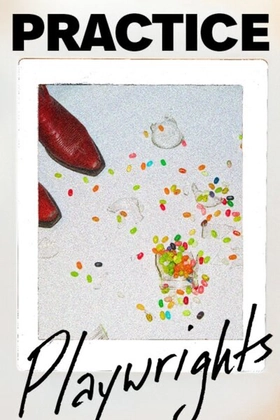
Seven actors, hired by a “genius” director to devise a new avant-garde theater piece, are required to live and work together in isolation in a converted church in Brooklyn.
Dec 17, 2025, 7:00 PM
A neat play about cults that’s not about cults. Really, Practice is a satire on how they come to exist—how a charismatic individual gathers power and exercises it, irrespective of the source of that power, but through the lens of contemporary theater production.
(Spoilery, but, at time of writing, the show is closed! Not a helpful review. 🤭)
Asa, a card-carrying genius, is developing their latest avant-garde performance art piece in a church in Brooklyn. They cast seven performers from diverse backgrounds, some on visas, to live and work together for a number of weeks. The community establishes—through the filter of Asa’s veto, naturally—a set of rules for coexistence and they’re provided means to report on each other’s adherence to those rules. Day-to-day they participate in group activities: games, icebreakers, group pseudotherapy with their deeply unqualified proctor. Running in place to pop music. All manner of things that seem to have little to do with an upcoming performance but for the weaving of group fabric, motivated by sticks financial, artistic, and existential. In time, Asa is willing to shame the actors, tell them how to feel, dock their pay, or make veiled threats.
The thing that matters about these exercises is buy-in—compliance in service of a vision that, to this point in the play, we neither understand nor especially need to. Be part of the team. Don’t rock the boat. Bring your whole self, but do what I tell you to do. The gaslighting will continue until the narrative is widely acclaimed as fact. It has the unmistakable placating smack of a corporate value statement, but you can write other metaphors for the signaling behaviors of political or religious devotees or members of any chosen group.
The second, significantly shorter act shows us the nature of the performance: the crew constructs a giant infinity mirror on stage and, inside, the cast recounts, in unison, in anonymizing masks and clothing, Asa’s version of events. They cop to all the ways they’ve abused the performers and claim an aspiration to create a cult. The actors take turns roleplaying as each other, divulging each other’s secrets, sometimes with voiceovers of still-other actors, feigning emotions of actors feigning emotions of actors feigning emotions. And, naturally, playwright Nazareth Hassan is making real-life actors do their bidding in the first place. It’s dizzyingly recursive.
The title of the play-within-a-play, Self-Awareness Exercise, is ultimately affixed to the audience—“the exercise is just beginning,” we’re told as the show ends, and we walk out pondering our own relationships and the human tendency to align in groups. The tools of leaders and influencers can be used for both good and evil; probably a lot of us are more susceptible to this kind of thing than we realize or are comfortable admitting.
Practice is smart, stylish, & spectacular in the second act, well-directed and -acted (particularly by Ronald Peet as Asa). It can be a little repetitive at points, and, substantially, I’m not sure it’s as much of a revelation as it would like to be—I’m willing to wager much of a Playwrights Horizons audience has taken a spin through the Wikipedias for “gaslighting” and “groupthink” and “Jim Jones” before—but anything it lacks in novelty of ideas it makes up for in earnestness and a shocking amount of jelly bean humor. Don’t eat mine. A solidly above average play this year.